

The sound of waves isn’t just something we hear at the beach. It’s on sleep machines and meditation recordings, ready to play when we want to settle in for the night.
For many of us, that sound brings back a feeling we know well. We remember coming home from a day by the ocean, skin salty and body tired, still carrying the rhythm of the water with us.
But our connection to the ocean can extend beyond a beach visit or the sound of waves we play to help a child settle at night.
Ocean therapy offers a way to work with that connection more intentionally. Alongside a trained practitioner, time in and around the water becomes an opportunity to ease stress, restore our capacity to focus, and deepen our connection with others.
What is Ocean Therapy?
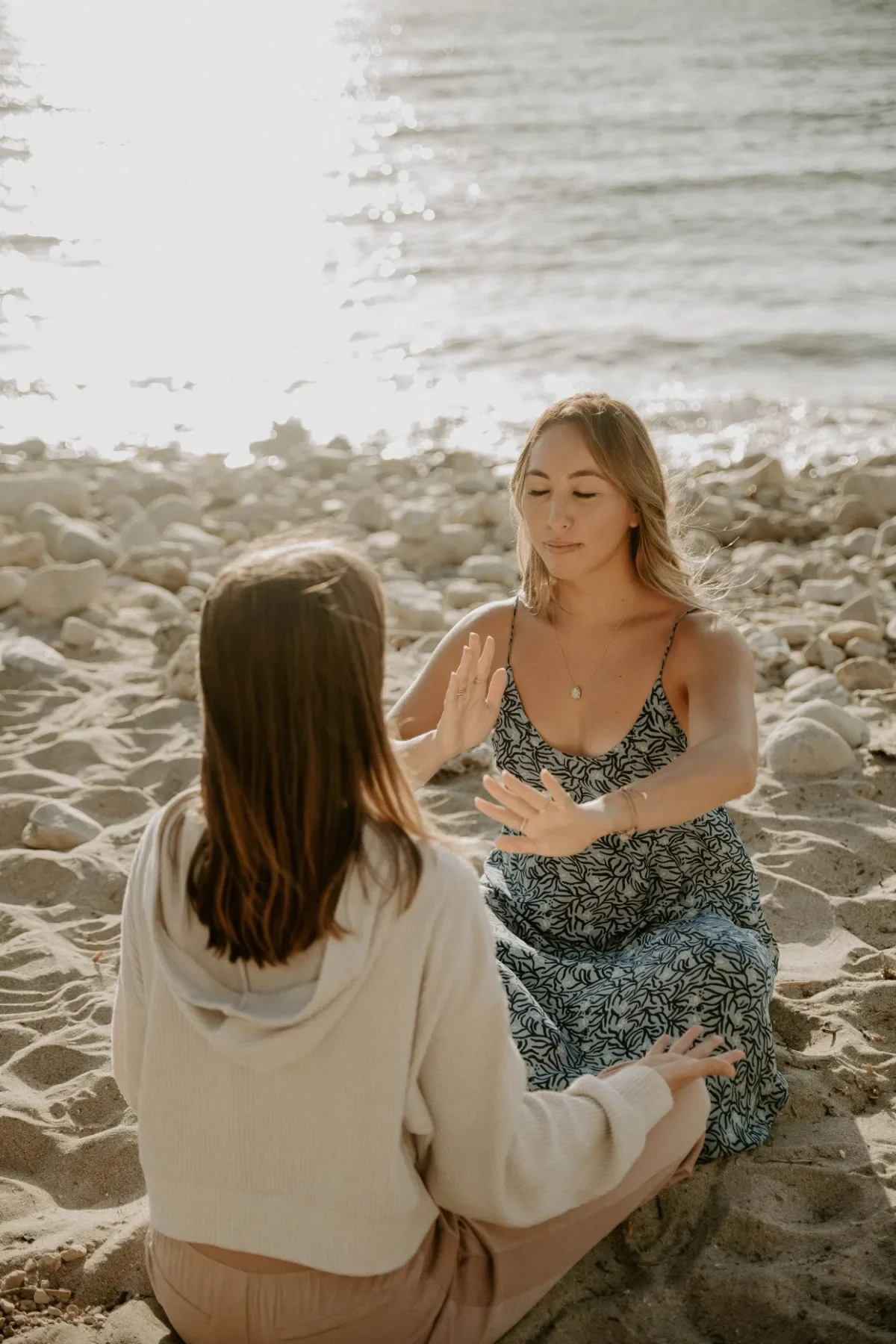
Ocean therapy is a nature-based approach to well-being that uses guided experiences in and around water to support emotional and mental health. A session could include a mindful walk along the shore, breathwork, or time in the water to create space for healing and change.
The ocean itself is part of that process.
Tides rise and fall. Waves arrive and return to shore. And no two days on the water are quite the same. As we spend time with those rhythms, we can pay attention to what’s happening within us, too.
At The Ocean Healing Institute, this connection between our well-being and the natural world is at the heart of the work. Ocean therapy gives us space to honor where we are, with nature as part of how we care for ourselves.
The Feeling We Have Near Water, and the Science Behind It
Through his work protecting ocean life, marine biologist Wallace J. Nichols became curious about how the ocean affects people. He brought together research in psychology and neuroscience to explore why time near water can feel so restorative. He called this feeling Blue Mind.
Researchers are exploring this phenomenon, too, through a growing field of blue-space research. Their work looks at how places where water is central—like coastlines, rivers, and lakes—affect physical and mental health.
In one study of more than 16,000 people across 18 countries, people who visited coastal and inland waters more often reported higher well-being and less mental distress.
So why can time near water feel restorative? A 2020 review of blue-space research suggests several possibilities:
Watching the water or listening to the waves can gently hold our attention. This gives our minds a break from the demands of the day.
Walking along the shore, paddling, or swimming provides a chance to move our bodies. Physical activity can ease feelings of anxiety and help us sleep.
Gathering near the water with friends, family, or community gives us meaningful time together. This can help us feel supported and less alone.
There’s still more to learn about how these experiences and the ocean itself affect our healing process. But the research gives us a glimpse into why time near water can feel so restorative.
What Does an Ocean Therapy Practitioner Do?
An ocean therapy practitioner plans and guides experiences that make water part of a healing practice. They draw on Blue Mind, body awareness, and mindful rituals to help people tend to their well-being.
An ocean therapy practitioner could be a registered therapist, counselor, or social worker, but they don’t have to be. Some come to this work as yoga teachers, breathwork facilitators, or educators. Each person brings their own experience to the way they work with individuals and groups.
Of course, there are practical responsibilities, too.
Guiding nature-based healing work means thinking about how each person will take part. Is the setting accessible? Are the conditions right for the group? Do participants know what to expect? Do they have a choice in how they participate?
Ultimately, ocean therapy can unfold in and around the water, or even far from the shore. Let’s explore a few ways practitioners can weave it into their work.
Bringing Ocean Therapy Into Practice
In the Ocean Healing & Therapy Program, students learn to guide others through ocean-centered experiences. During the nine-month, hands-on training, they begin to imagine what this work could look like in their own communities.
Carole, a counselor specializing in burnout, leads mindful walks along the shores of Phillip Island, inviting clients to reflect on the meaning they find in nature.
Writing teacher Gretchelle uses Blue Mind-based prompts and assignments to help students share their stories and build confidence in their writing.
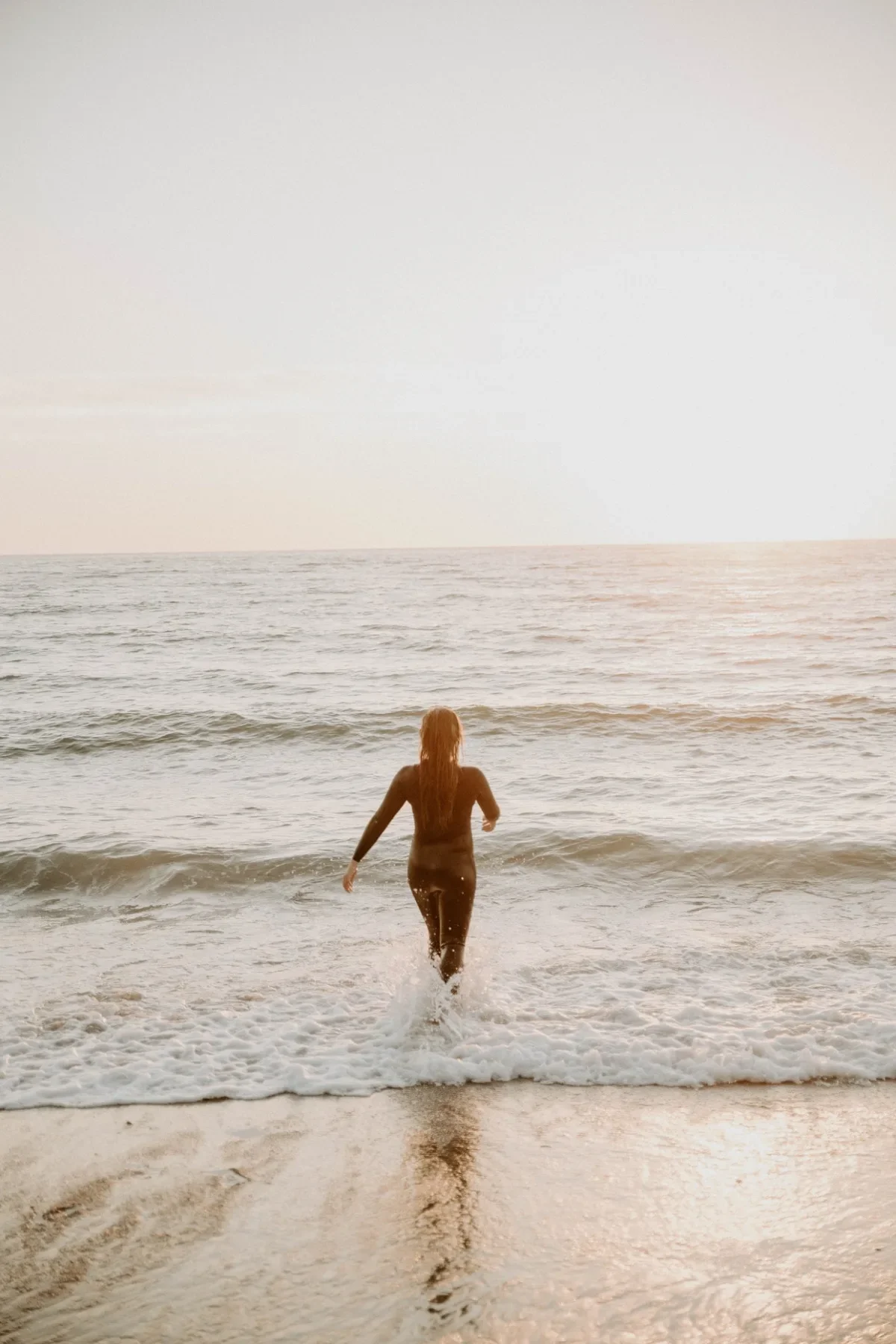
Isabel, Michelle, and Nathaniel offer surf therapy sessions through The Ocean Healing Institute, combining time on a board with therapeutic support.
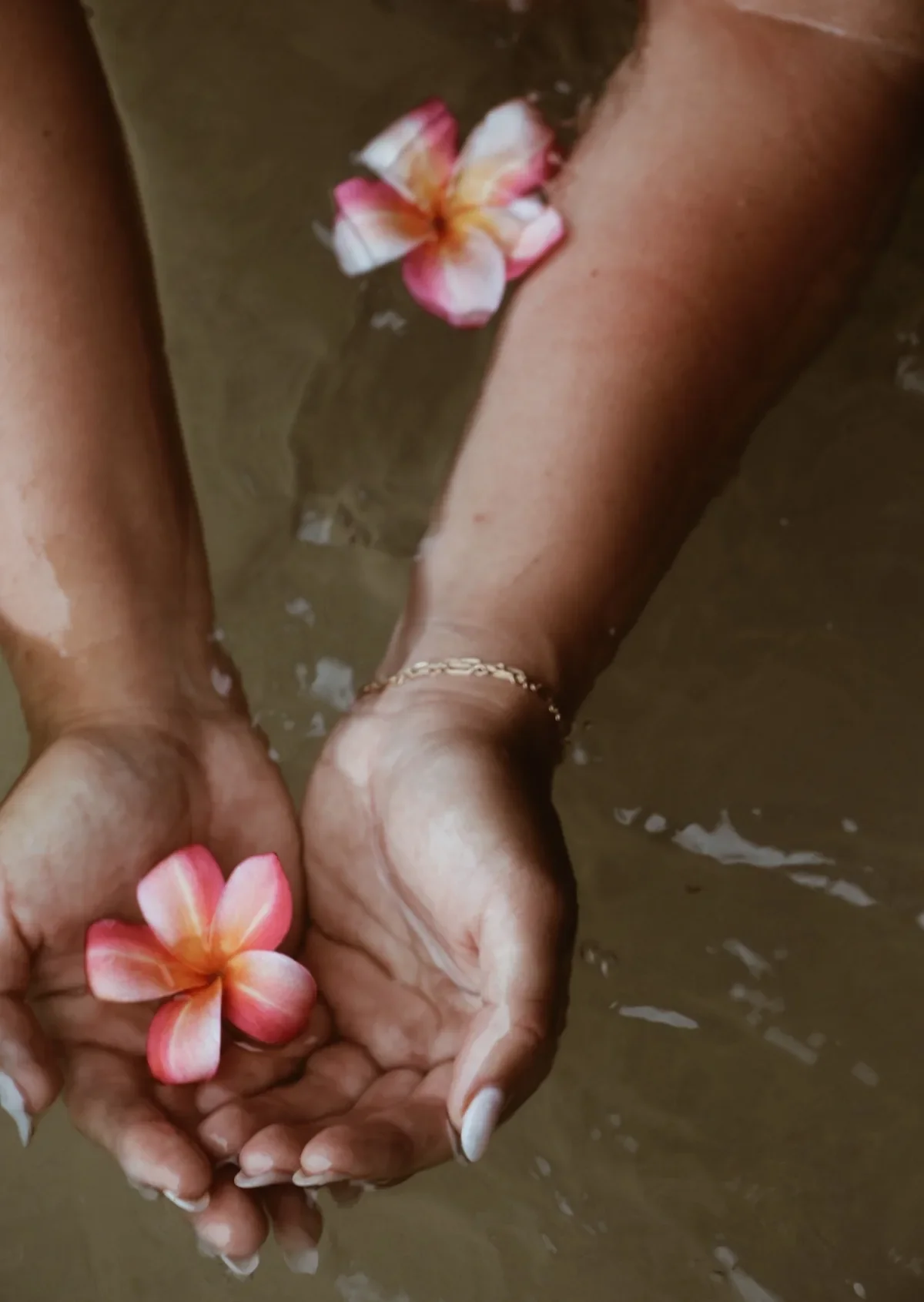
Rocío Navarro, a masterclass speaker, guides water healing experiences that bring together ceremony and body awareness.

Could You Become an Ocean Therapy Practitioner?
Think about the work you already do and how ocean healing could fit within it.
You could bring ocean-inspired mindfulness into your therapy practice. You could create group experiences for your community. Or you might develop an entirely new offering around the water.
The next step is learning to create and guide those experiences with intention.
That means understanding Blue Mind and exploring techniques like breathwork and body awareness. It also means practicing how to facilitate sessions.
In the Ocean Healing & Therapy Program, you’ll spend nine months exploring the science and practice of ocean healing. You’ll learn through live training, hands-on experience, and guidance from Sophie. Along the way, you’ll connect with a community of people bringing this work into their own lives and communities.
You’ll also explore the business side of ocean therapy, from marketing your work to creating a sustainable practice.
Your connection to water has brought you this far.
The Ocean Healing & Therapy Program is a place to explore where it could take you next.
FAQS about Ocean Therapy
-
Ocean therapy brings therapeutic or wellness practices together with time in or near the water. An individual might work with a practitioner to reflect on a challenge, practice mindfulness, or build self-trust through an activity in the water.
-
Some ocean therapy practitioners are licensed therapists, counselors, or social workers. Others come from backgrounds such as yoga, breathwork, or education. A practitioner’s training and credentials determine the services they can offer, so ask about their qualifications when deciding who to work with.
-
You can train to become an ocean therapy practitioner through the Ocean Healing & Therapy Program. Over nine months, students study Blue Mind and practice facilitating individual and group experiences. They also receive expert guidance and bring sustainable business ideas into their work.